
Author: Krytheon
-

Why Execution Has to Watch Itself I. Introduction A settlement system can be fast, accurate, and fully automated and still be fragile. Speed describes how quickly an instruction is carried out. It says nothing about whether the instruction should have been carried out at all, whether the conditions that justified it still hold, or whether…
-

Funding Execution Without First-Loss Risk I. Introduction Discussions of execution infrastructure tend to focus on technology: the systems that route value, verify identity, enforce compliance, and produce records. Technology is necessary, but it is not the binding constraint. The binding constraint on cross-border execution is working capital. Before any value can be routed across a…
-
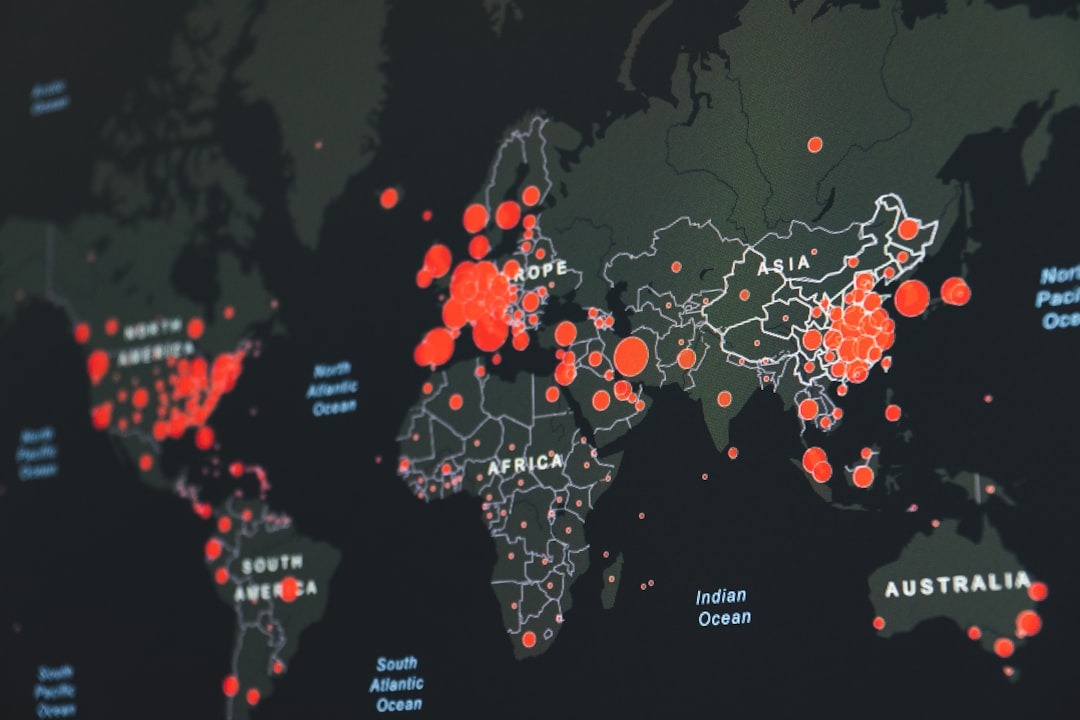
I. Introduction As global commerce expands, the complexity of cross-border transactions continues to increase. Enterprises, financial institutions, service providers, and regulators now operate across multiple jurisdictions, currencies, and legal frameworks. The core components required to support this activity have matured. Payment infrastructure is more efficient. Compliance systems are more robust. Enterprise software is more capable.…
-

Most modern platforms are designed to inform, not to execute. They aggregate data, surface insights, and improve visibility across systems. But when a transaction or workflow requires coordination across multiple parties, jurisdictions, or requirements, the responsibility for execution still falls outside the system itself. This gap becomes more visible in environments where outcomes depend on…
-

The Next Layer of Financial Infrastructure I. Introduction Over the past two decades, financial innovation has significantly improved how money moves across systems. Payment networks have become faster, more accessible, and increasingly global. Real-time settlement, digital wallets, and multi-rail infrastructure have reduced friction in the transfer of value. However, despite these advancements, a more fundamental…